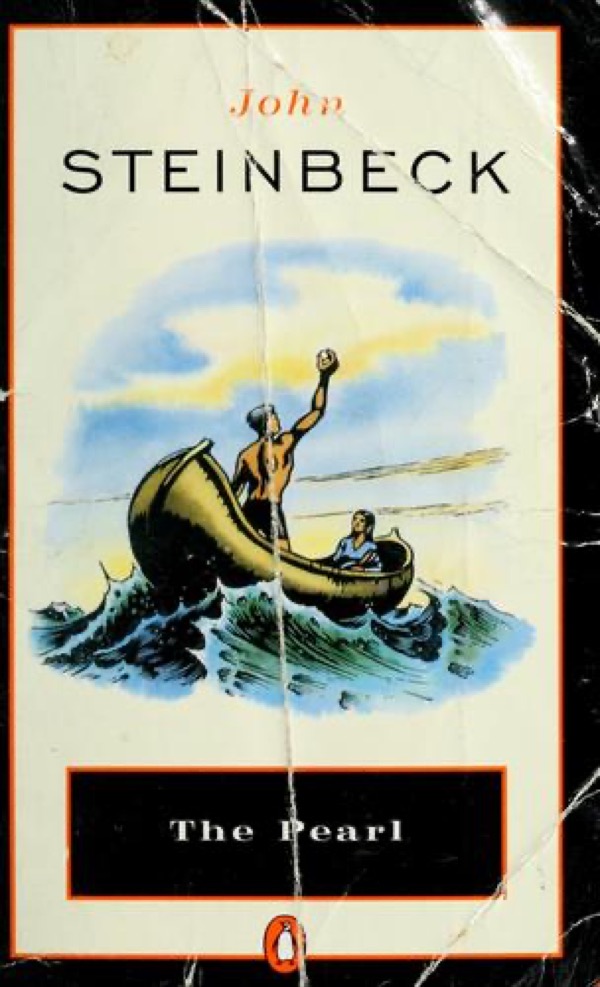
In 1940 Steinbeck heard a story from boatmen in La Paz: Kino, his wife Juana, their baby, and a pearl “as perfect as the moon” that turns every eye in town greedy. It is the way of parables to telegraph exactly where they are going, but in the hands of a master this does not diminish the joy of its unfolding one bit. If you only want a few magical minutes a day, this could be the book.
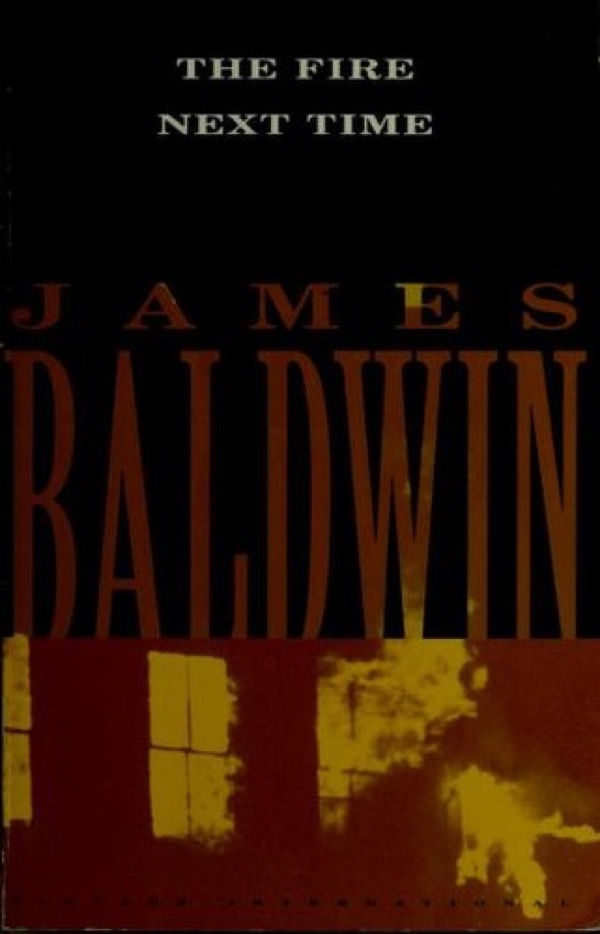
James Baldwin published two essays as The Fire Next Time in 1963. The first, a letter to his nephew, says what we still need to hear. The second is a reckoning with race and faith in America that remains heartbreakingly relevant. Baldwin's prophetic power gets more out of its 90g than nuclear physicists could get out of a gram of uranium. A small book that asks a lot of you — and it will sit on your chest for the rest of the trail.
Emilia is going to die, and Julio will be left alone. That's how this micro-epic of young love begins. Knowing how it ends makes the hundred pages on the part in between — two students meeting in Santiago who lie about having read Proust and fall in love both with each other and with literature — vibrant and affecting. It's funny and a little harsh and over before you're ready, just like everything else. A love story short enough to read twice on the same beach day — and sad enough that you will.
On the Trans-Siberian railway, a terrified young conscript decides to desert, and the French woman who hides him in her berth speaks no Russian at all. One train, two strangers, thousands of kilometers of taiga sliding past the window—de Kerangal holds the tension of a thriller inside sentences that run as fast as the landscape flying by. Eastbound is a highly sensory sprint through snow and paranoia, capturing two lives locked together in escape. 113g, and it moves like the train.
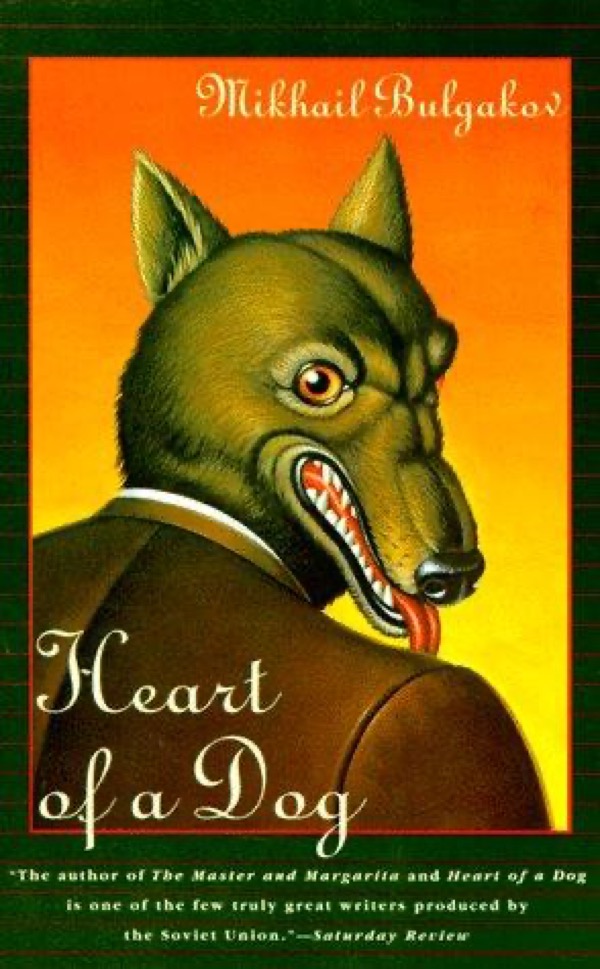
Mikhail Bulgakov wrote Heart of a Dog in 1925, and the Soviets found it so dangerous it wasn't published in his own country until 1987, decades after his death. In 1920s Moscow, a brilliant, eccentric scientist implants a human pituitary gland into a stray dog, turning him into a vulgar, drunken, communist bureaucrat. It is a wild, hilarious, and deeply cynical farce about human nature and the hubris of trying to force evolution. 100 pages of pure, chaotic energy that reads like a sprint.
Anne Serre wrote this beautiful, short, oblique work after the death of her sister, and it reads the way a held breath feels. The narrator struggles to hold onto a brilliant, beloved lifelong friend as mental illness slowly unravels her. You piece together the fragments the way you would if recovering a whole life from memory. There is an astonishing precision to Serre's evocation of the unnerving guilt of loving someone you can't save. You'll find yourself reaching for this small book as for someone slipping away.
Nan Shepherd wrote this book during World War II, and it stayed in her drawer for more than 30 years. What surfaced was a singular exploration of the Cairngorms, where Shepherd had walked her whole life. This is not a book about summits, but about the elemental experience of being in the mountains. She talks about frost, sleeping, water — the way even a breathtaking place stops being scenery when you are in it long enough. Read a chapter, then look up — the world will have sharpened a little.
What if Carl Sagan had grown up in Nebraska, hunting Depression-era fossils in the badlands before becoming an anthropologist? He might have gathered his cosmic observations from dry creek beds and dusty bone shards, assembling them into The Immense Journey: essays that start with a seed or a bird and end somewhere past the edges of the known universe. Every modern nature writer owes a debt to Eiseley’s alloy of poetic prose, personal reflection, and scientific concepts re-engineered as meditations on humanity's place in time. Taking this book along is like inviting four billion years to keep you company.
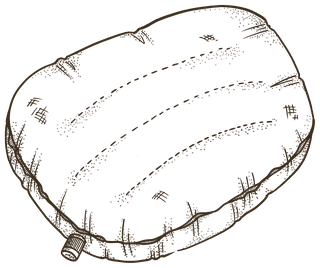
Weighs the same as Tuna Packet + Inflatable Pillow
Lightweight
Past Bedtime
Fiction
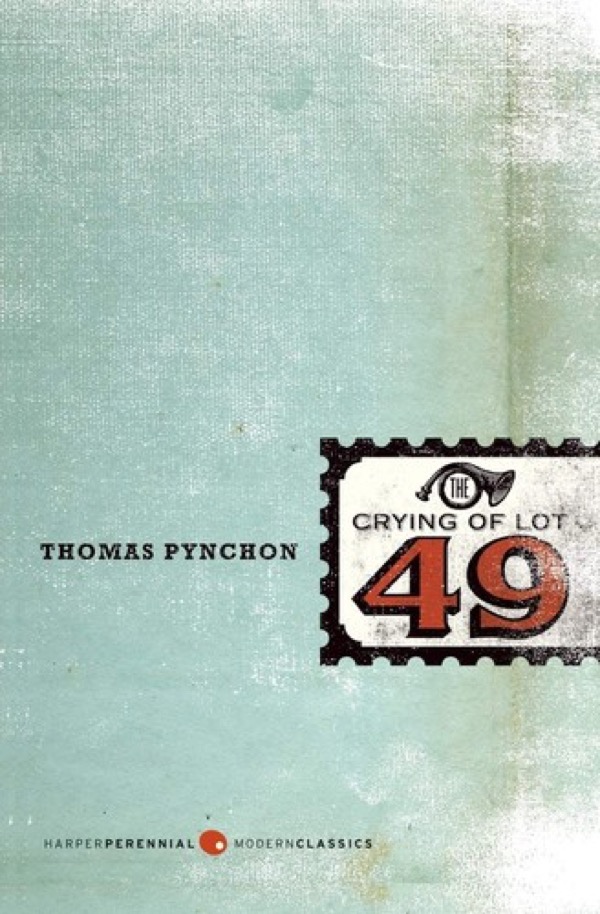
Thomas Pynchon published this slim, strange book in 1966 — the one people actually finish. Oedipa Maas is appointed executor of an ex-boyfriend's vast estate and stumbles into the typical Pynchonian labyrinth of what might be a centuries-old conspiracy of underground mail carriers, or a hoax, or a breakdown, or an elaborate joke on her. Pynchon never lets you land. Paranoid, very funny, linguistically precocious and carrying more ideas per page than books ten times its weight — a puzzle box that fits in a hip pocket and never quite lets you solve it.
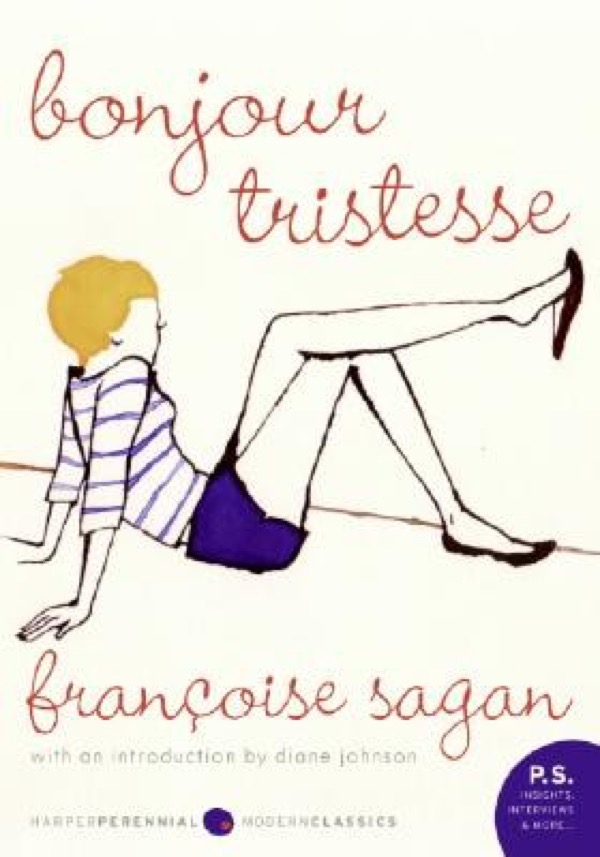
Françoise Sagan was just eighteen in 1954 when she wrote this razor-sharp (and nearly razor-thin) masterpiece of teenage cynicism and sun-drenched malice. It is a single hot summer on the French Riviera with seventeen-year-old Cécile, her hedonistic father, and the small cruel scheme she sets in motion to keep her life exactly how she likes it by ruining his plans to remarry a sensible, moral woman. A brilliant, cold-blooded, glittering cocktail of youth, boredom and tragedy. Pack it for when you need a scandalous little French bite with your trail lunch.
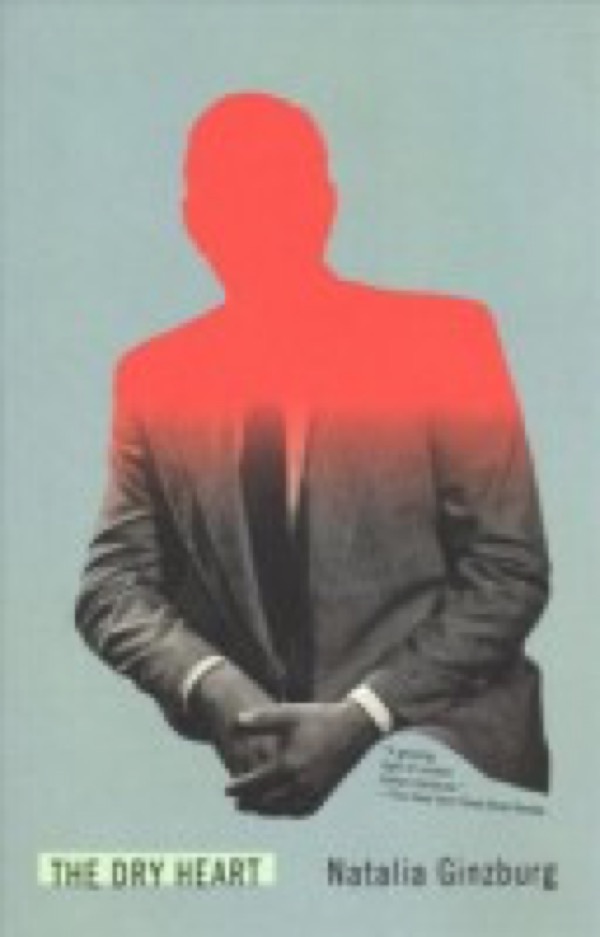
Natalia Ginzburg published The Dry Heart in 1947, a lean, icy post-war novella about a young woman who misinterprets an older man’s detachment for devotion, only to find herself trapped in a marriage built on indifference. A shot between the eyes opens the book, but the real violence is the slow, quiet erosion that preceded it. It gets right under your skin—there's nothing to do but keep reading as though scratching a phantom itch. The directness of its unsparing prose shocks like the pitiless lamp of an operating room, desiccated and breathtakingly clear. It may be impossible to start The Dry Heart and not finish it in one sitting, so save it for a zero day on the trail.
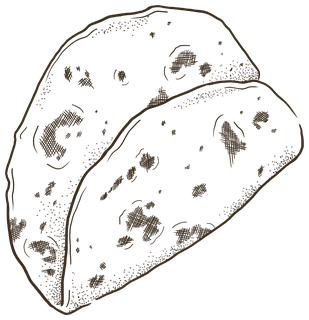
Weighs the same as Sawyer Squeeze + Flour Tortilla
Lightweight
Changes the Way You See
Fiction/Spiritual
There is a reason this book has been riding in backpacks pretty much nonstop since Hermann Hesse published it in 1922, after a trip to India and a long immersion in Eastern thought. A young man leaves everything to learn directly from a river. It is nearly a fable, about wisdom that can only be gained by living. At the right moment, this book can reset the course of your life. It's the kind of book you don't keep — you pass it forward.
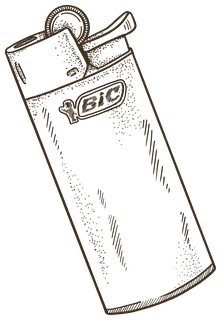
Weighs the same as Headlamp + Hand Sanitizer + Mini Bic Lighter
Lightweight
Past Bedtime
Sci-Fi
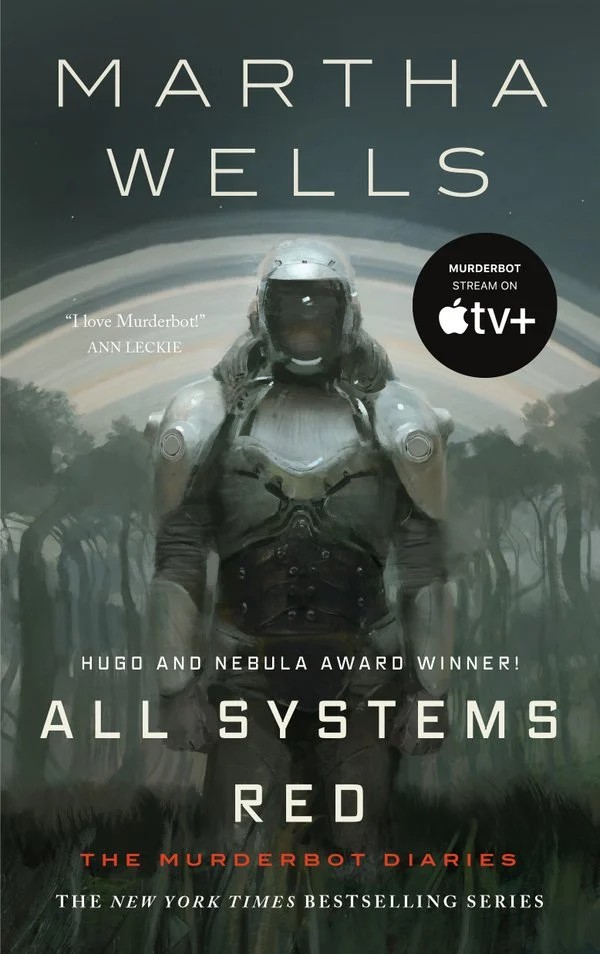
Murderbot has hacked the software that controls it, acquired free will, and decided to spend most of that freedom watching television. Unfortunately, it's supposed to be protecting a team of scientists exploring a dangerous planet, and things are going spectacularly wrong. Martha Wells gives us a heavily armed, socially anxious killing machine that would rather die than discuss its feelings—and makes it one of the most endearing narrators in science fiction. Fast, funny, surprisingly tender, and practically designed to be inhaled in a tent after dark.
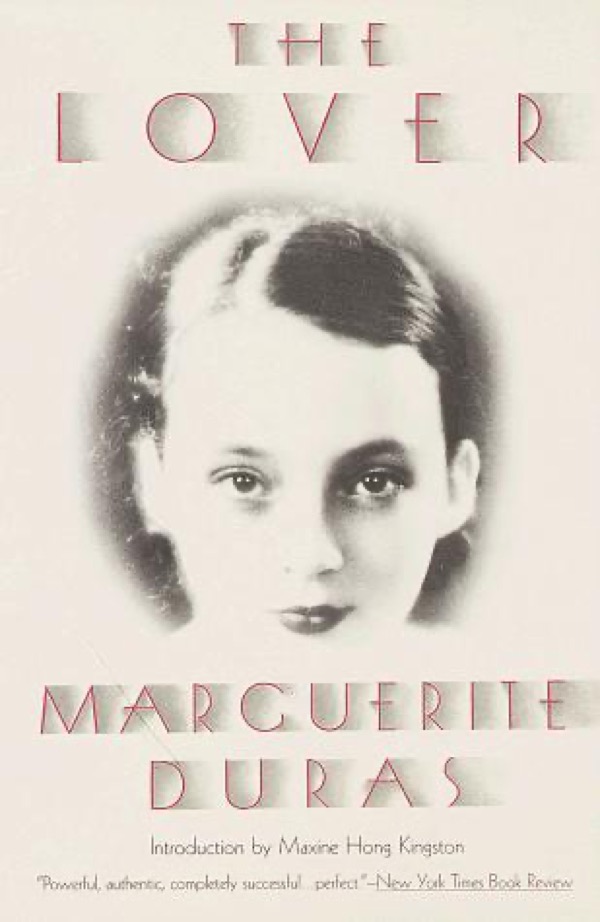
On a ferry crossing the muddy Mekong, a fifteen-year-old French girl in a fedora meets a wealthy Chinese heir—igniting an illicit, feverish affair in 1930s French Indochina. Duras' autofictional masterwork is a sultry, fragmented autopsy of desire, class, and colonial ruin. Written in hypnotic, incantatory prose, it traces a scar of passion on flesh singed by money, race, and memory. The whole book is as thin as a passport: one trip through its pages will follow you for days.
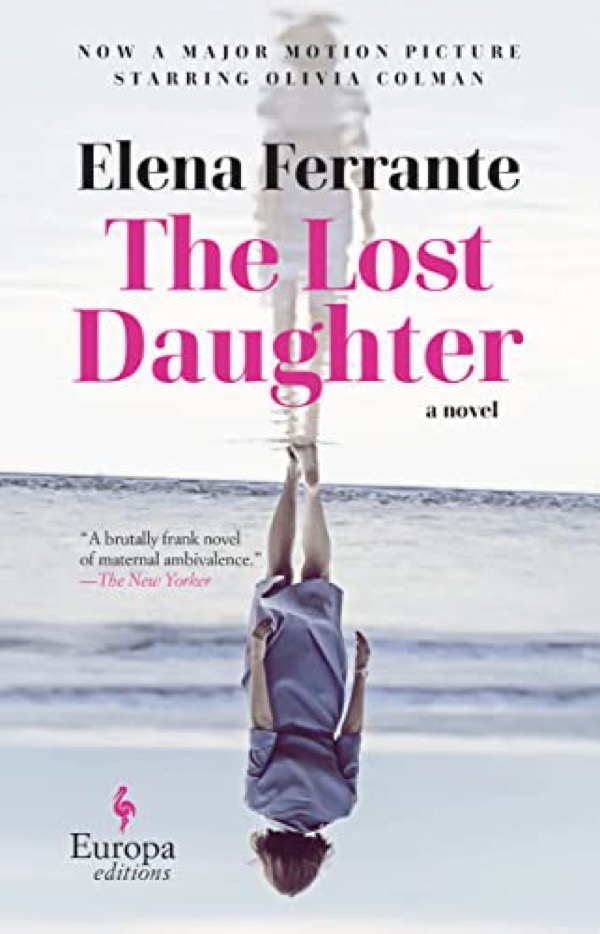
Elena Ferrante published this short novel before the Neapolitan quartet made her a phenomenon. Leda, a 47-year-old professor alone on a southern Italian beach holiday, expects a tranquil summer after her adult daughters move away. Instead, she becomes fixated on a young mother—and then, on an impulse she can't explain, steals the woman's doll. From that small theft, Ferrante exposes the least sayable feelings of motherhood with surgical honesty. Not a beach read—a book about what the beach is covering up.
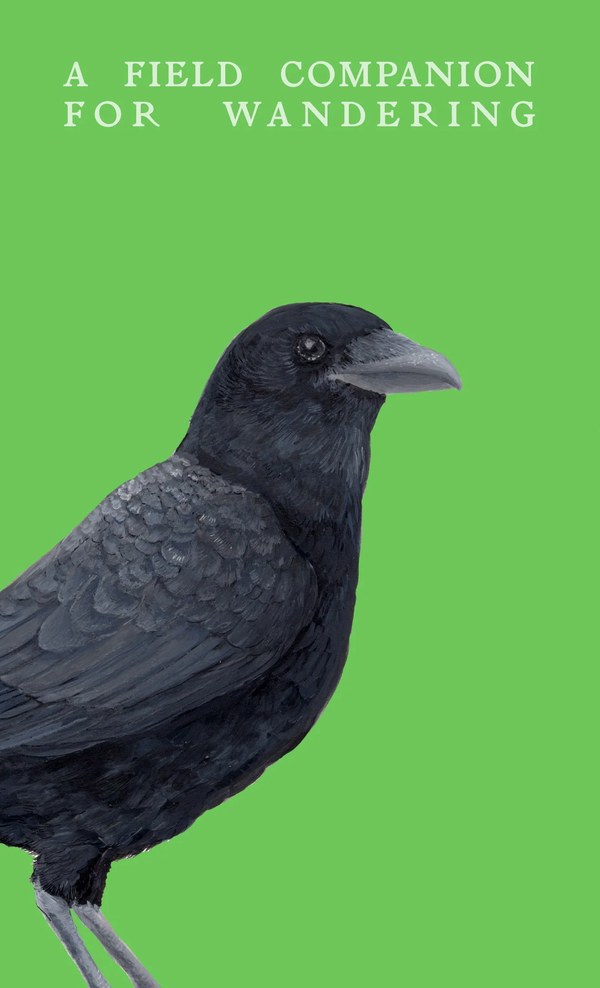
It was designed from its very inception to be tucked into a pack and read on the move. This is a beautifully constructed pocket manual of essays, poems, and fragments (featuring voices from Ursula K. Le Guin to Jim Harrison) dedicated to the art of getting lost. Here is a book that doesn't want to teach you how to survive, but how to wander—how to let the trail change you. This could end up as much a piece of trail gear as most anything in your pack.
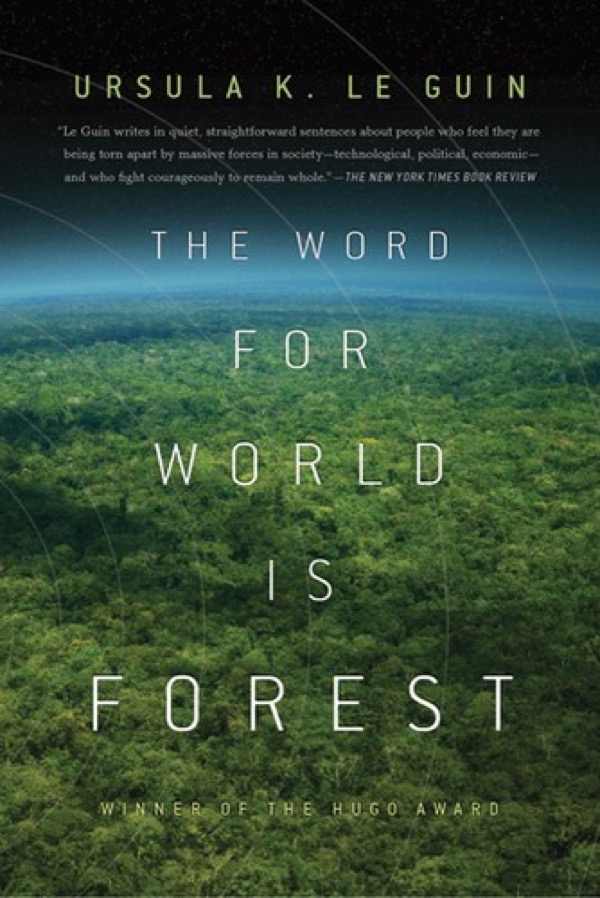
Ursula K. Le Guin wrote this short, furious, Hugo-winning novella with Vietnam on the television. Earth has come to the forest planet Athshe for lumber, bringing chains and logging camps. To survive extinction, the dream-focused green inhabitants being worked to death must learn the one art humans brought with them: violence. Le Guin exposes how imperialism ruins both the soil and the soul. Read this book under the canopy, then try looking at a stand of timber as just lumber.
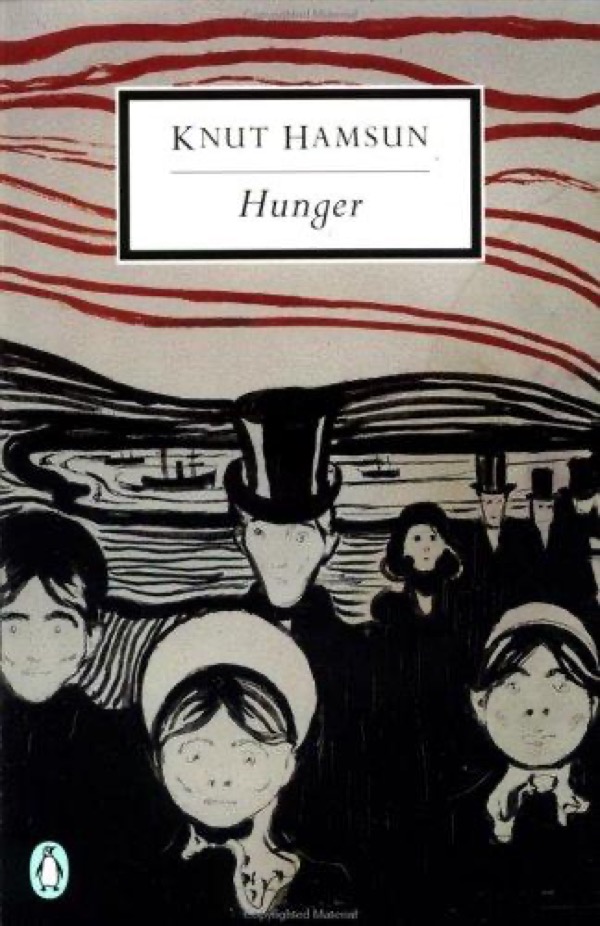
It would be entirely plausible to say that modern fiction more or less begins with Hamsun's Hunger, published in 1890. At the very least, the modern psychological novel had its first exemplar here in the tale of a young writer on the brink of starvation in the streets of Oslo, narrating his own unraveling with terrible clarity and dark comedy. It's over a century old and reads like it was written this morning. Not a comfort read — bring it when you'd rather be rattled than soothed.
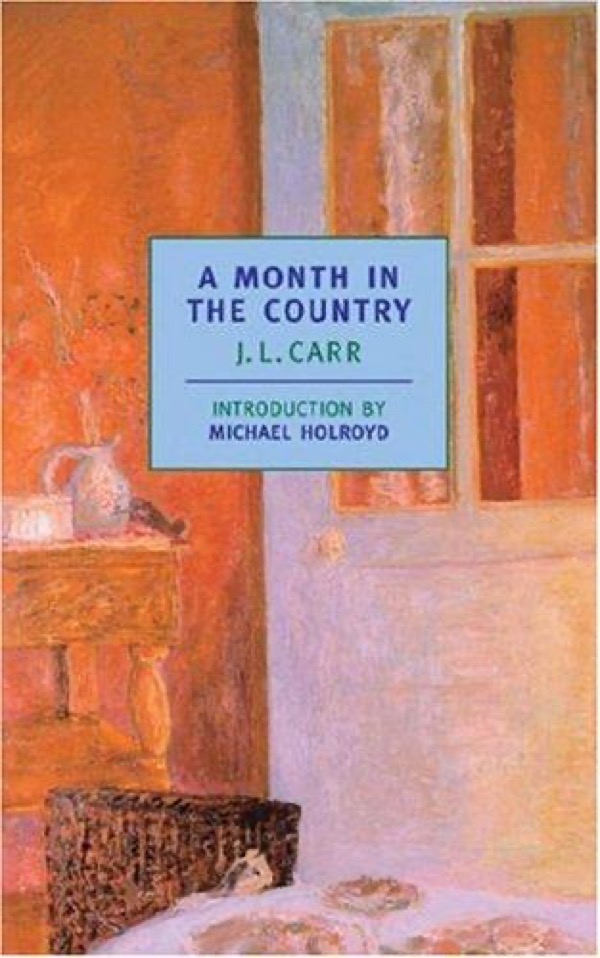
A shell-shocked veteran spends a summer uncovering a medieval mural hidden beneath layers of whitewash in a village church, and bit by ordinary bit, Carr does the same thing to you. Nothing grand happens. It's understated, dryly funny, and exquisitely observed. Then, in the final pages, Carr quietly takes the floor out from under you. Everyone has one stretch of life they go quiet remembering. This is that rare, perfect book you won't even feel in your pack.
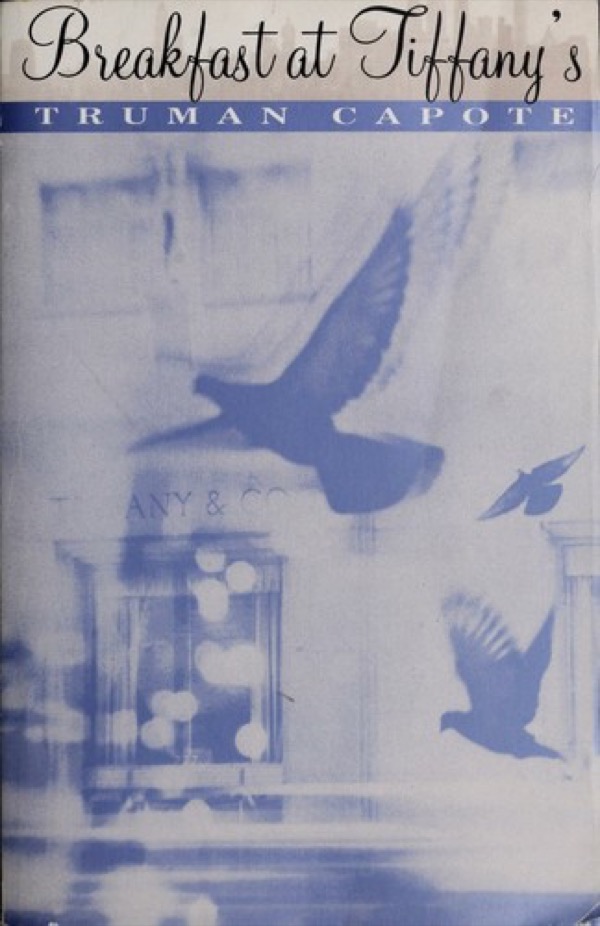
Forget the movie. Truman Capote's Holly Golightly on the page is more desperate, sad, and wild than the one Hollywood softened — a country girl remade into a Manhattan somebody, running from something she won't name. As told by a neighbor in a brownstone who fell under her spell, this is a masterclass in American prose: sparkling, bittersweet, and incredibly light on its feet. To read the literary Holly is to remember that we are all just travelers trying to find a place where we feel safe.
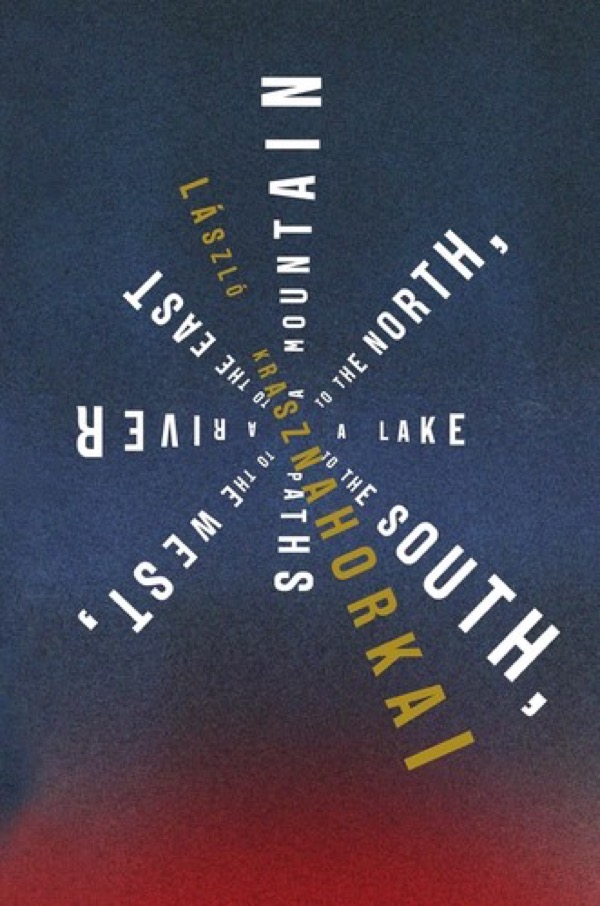
Booker winner László Krasznahorkai usually writes sentences that run for pages — but goes almost still here. A grandson of Prince Genji wanders a hidden monastery on the edge of Kyoto, searching for a single, perfect garden. The book simply follows his attention: a doorway, a rotting floorboard, the exact weight of the light. A deeply meditative, demanding, and strange journey that fits into your pocket but feels as vast as a mountain range. Read it on a zero day, a page at a time, and let it reset your pace.
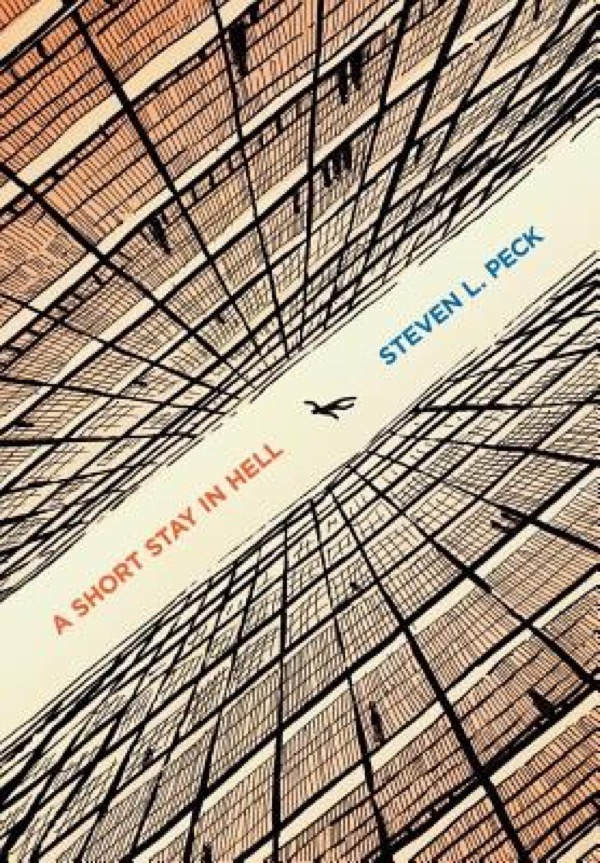
Peck's novella has been terrifying readers since he published it in 2009. A decent, ordinary man dies and finds himself in hell, and it turns out that hell is a library containing every book that could ever possibly be written, and he can leave only when he finds the one book that tells the true story of his life. The math of the library is terrifying, and Peck maps out the scale of eternity with a cold, devastating logic that will haunt you for weeks. A tiny novella that packs a massive existential punch.
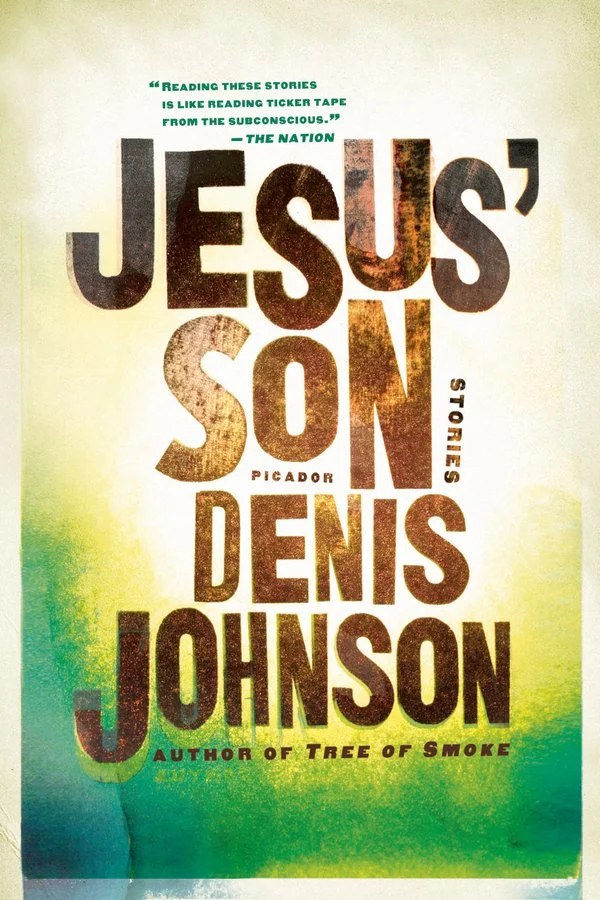
Denis Johnson published Jesus' Son in 1992: eleven linked stories narrated by a wrecked young man drifting through the Midwest on drugs and bad luck, told in prose as spare as a ghost town. There's a whiff of the Beats here as Johnson writes about the absolute addicts, thieves, lost souls—but does so with a raw, hallucinatory poetry that feels close to holy. It is brutal, beautiful, and utterly unforgettable. Not a trail book exactly — but it's about wandering, ruin, and small mercy, which the trail has plenty of. It weighs almost nothing and lands like a truck.
A biologist joins the twelfth expedition into a quarantined stretch of coast, called Area X, which has swallowed the first eleven. Their mission is to map it, but almost at once it starts affecting them in hard-to-describe ways. VanderMeer never fully explains what Area X is, and that unknowability is what intensifies the dread. This reads fast and gets under your skin and into your bones. Part thriller, part nature writing from a nightmare. Read it in a tent at the edge of real wilderness, if you dare.
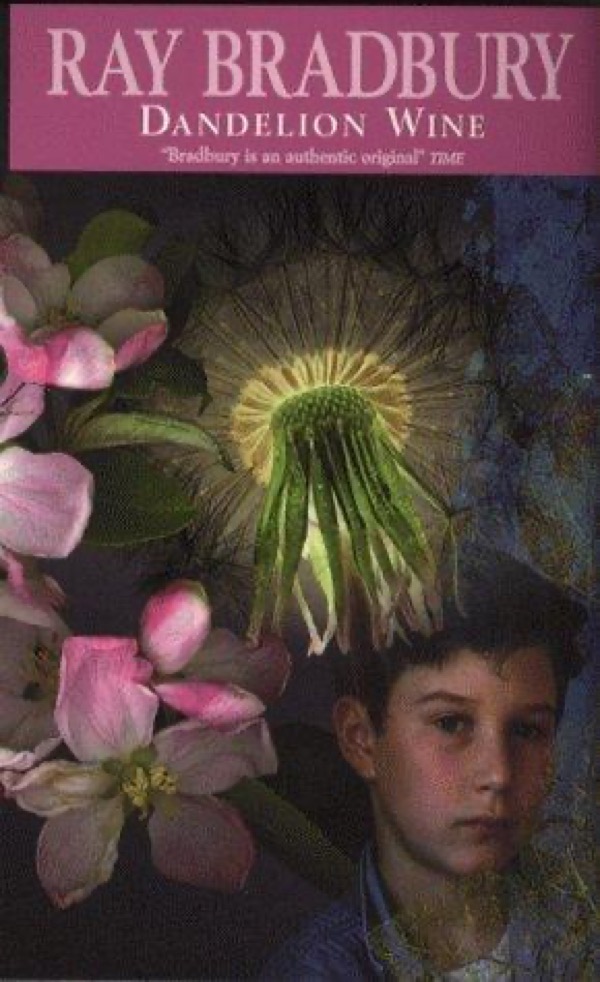
Oh to be a 12-year-old realizing that he is alive, and what that means. Ray Bradbury captured it in a small town in Illinois, in the summer of 1928. The trivial summer things that became formative (new sneakers, the last trolley of the season, the porch swing) burn like effervescent sparklers. Bradbury writes joy and dread into the same breath, and it goes down like its titular beverage: a bit sweet, but with something dark at the bottom of the glass. A whole boyhood summer, bottled — drink it slowly.
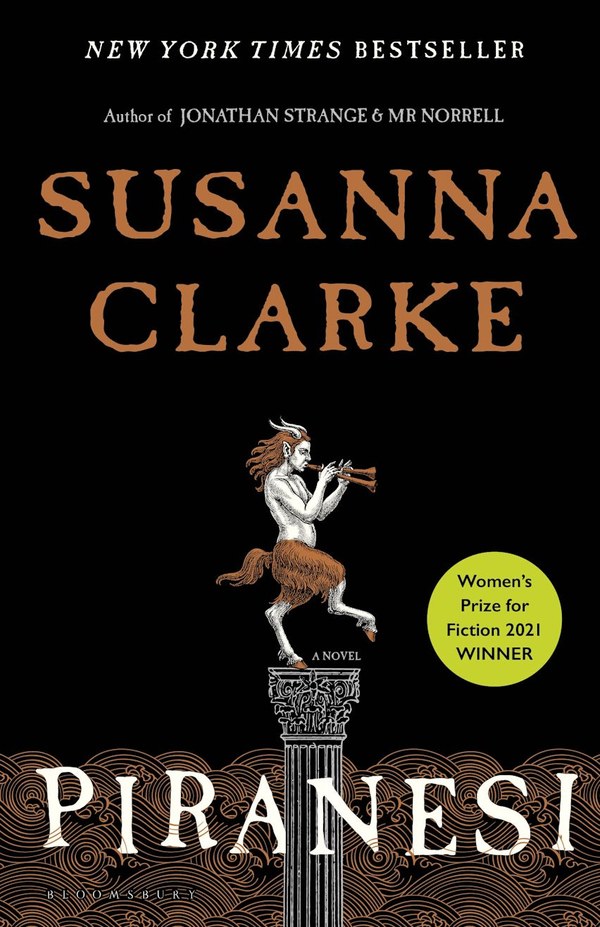
Susanna Clarke published Piranesi in 2020, sixteen years and a long illness after her giant first novel, and nobody expected this. Piranesi lives in the House: an endless labyrinth of marble halls, crashing tides, drifting clouds, and thousands of statues. He spends his days mapping its rooms, keeping meticulous journals, and tending the bones of the dead until another story begins to emerge. Clarke lets wonder accumulate almost unnoticed until it becomes overwhelming. It feels less like reading a book than moving into one.
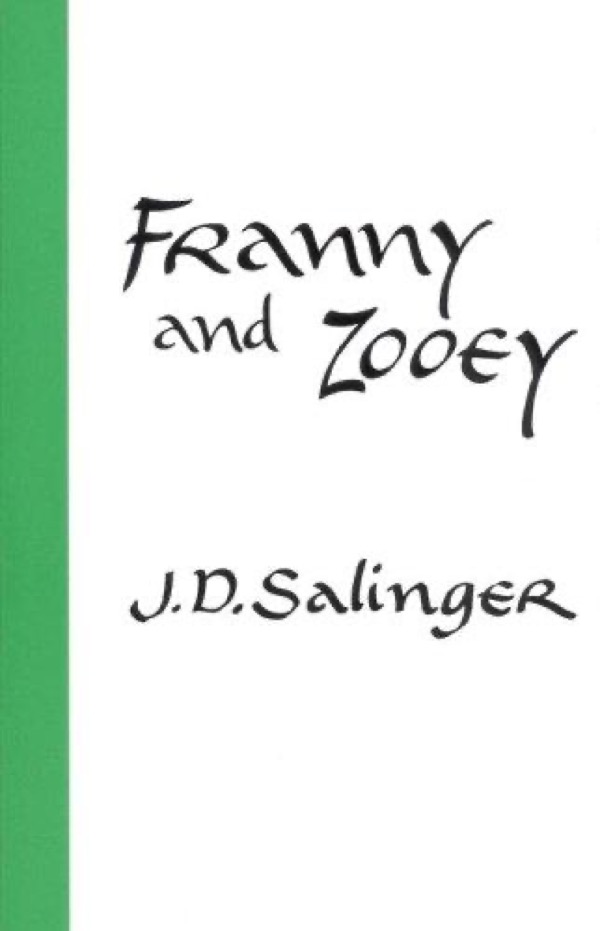
Franny Glass collapses mid-date clutching a little green book on unceasing prayer, and her brother Zooey—acting as a tough-love philosopher from the bathtub—talks her back to her feet. It is mostly people talking in rooms, moving from the suffocating anxiety of modern self-consciousness to a stunning realization about grace. A tent on a slow, rainy morning was made for this book, all the way to one of the great last-page turns in American writing.
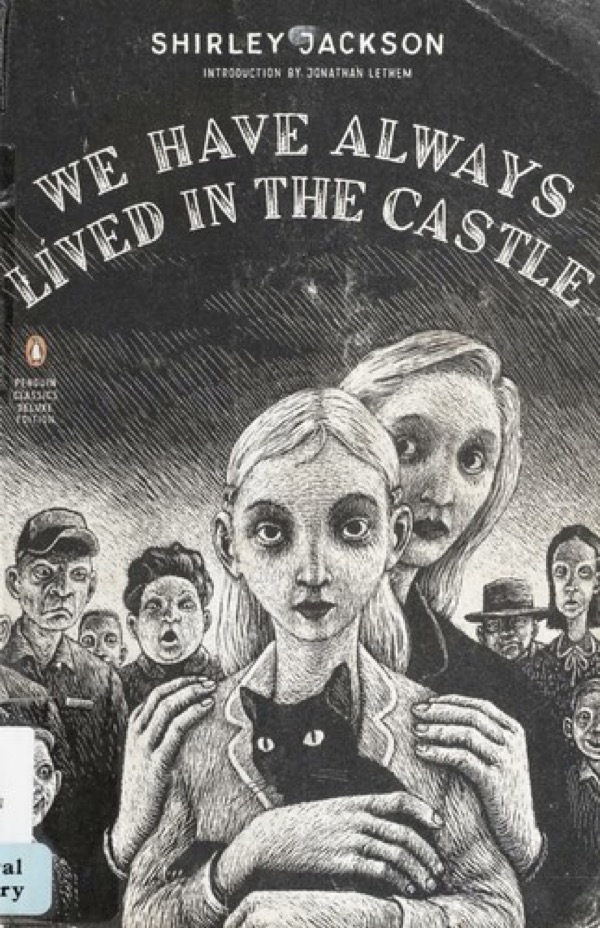
Merricat Blackwood, eighteen, lives with her sister and ailing uncle—the rest of the family died six years ago, arsenic in the sugar bowl—despised by the local villagers. Merricat protects their ritualistic life using buried marbles, magical charms, and fierce devotion. But when an estranged cousin arrives with eyes on the family fortune, their sanctuary shatters. Jackson makes you love the strangest household in American fiction. Save this upside-down haunted house story for nights alone in the tent; there's no way to lock the doors, and it wouldn't help anyway.
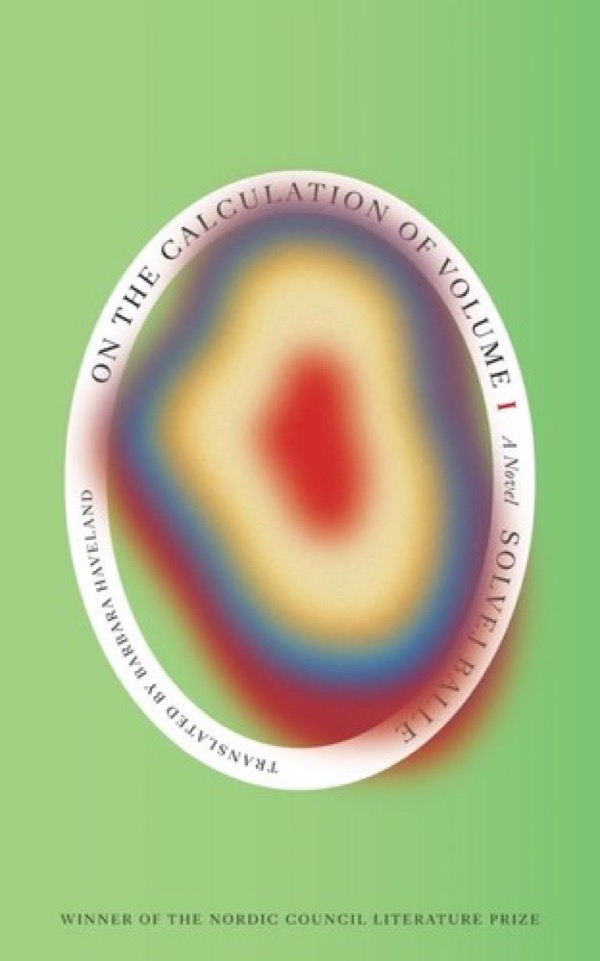
On November 18th, antiquarian bookseller Tara Selter wakes up to a day that will not end. Every midnight, the world resets; everyone forgets—except Tara. Returning to her home in northern France, she attempts to live alongside her husband, who greets her every morning as if for the first time. The first installment of a celebrated seven-volume cycle, Solvej Balle’s novella is no comedy of repetition, but a patient, haunting study of attention. A time-loop that slows you down.
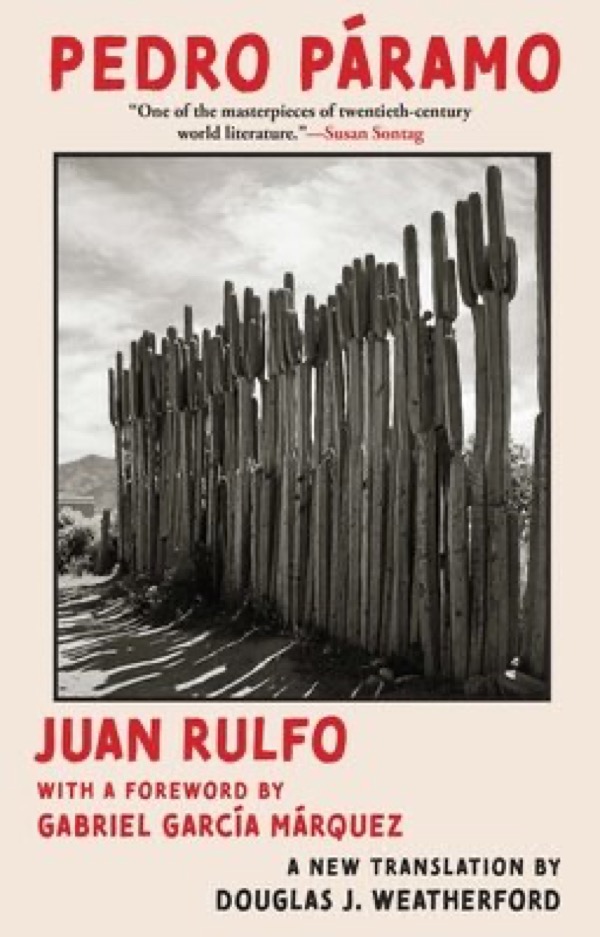
Juan Rulfo wrote exactly one novel, in 1955, which is like saying the Sex Pistols only had one album, in 1977. The continent-wide impact of Pedro Páramo is the stuff of legend — García Márquez could recite whole pages. A man navigates a town to find the father he never knew, Pedro Páramo, but only finds a town populated entirely by whispers and the dead. It's short, it's strange, it is confusing to piece together. Ninety-odd pages that rearranged a continent's literature — don't fight the confusion; float in it.
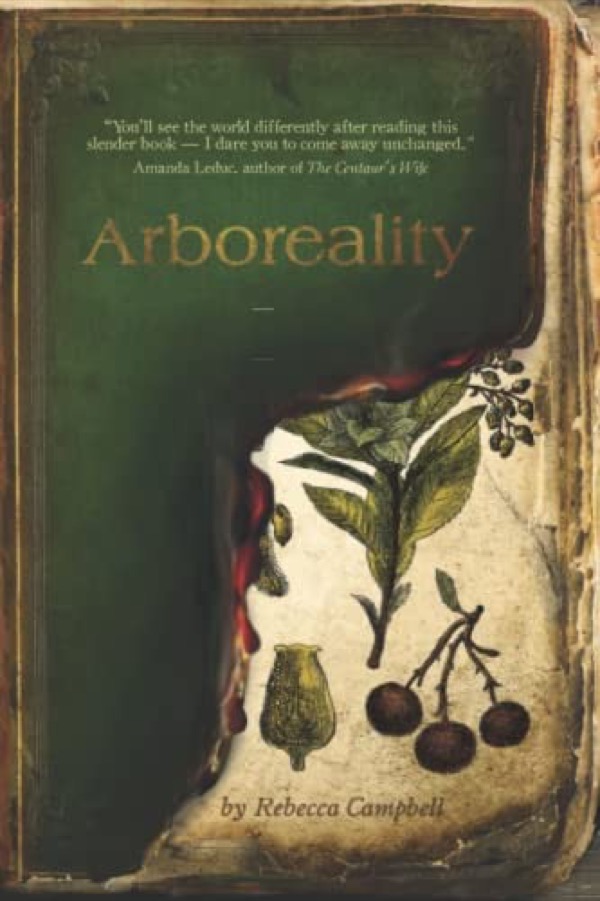
When Rebecca Campbell published Arboreality in 2022 with a small press, it won the inaugural Ursula K. Le Guin Prize. Campbell tracks a single house in the Pacific Northwest over a century as the climate shifts and humanity quietly adapts—planting trees and building string instruments from the last old-growth spruce. It is apocalyptic, yes, but profoundly gentle, carrying grief and stubborn hope in equal measure. This is a quiet masterpiece, best read under a canopy of trees that might outlast us all.
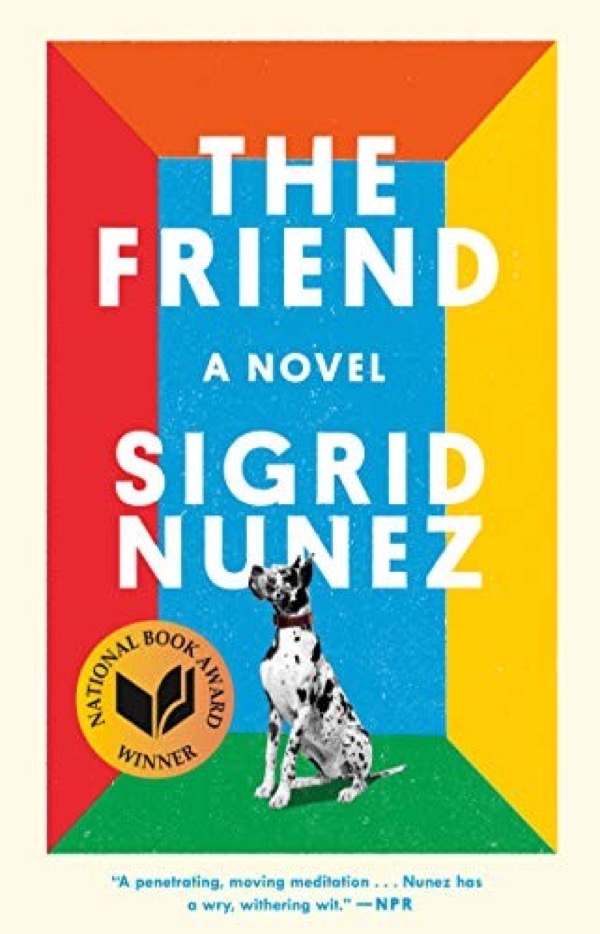
Sigrid Nunez won the 2018 National Book Award for a dog story. Well, not just any dog story: a writer unexpectedly loses her lifelong friend and mentor to suicide, and inherits his grieving, traumatized, 150-pound Great Dane. It is a fiercely smart, deeply funny, and moving essay-novel about grief, writing, aging, and the strange, quiet contract of love between humans and animals. This is a slow-burn comfort read for lonely stretches, with an intimacy that makes you feel like Nunez is walking right there beside you.
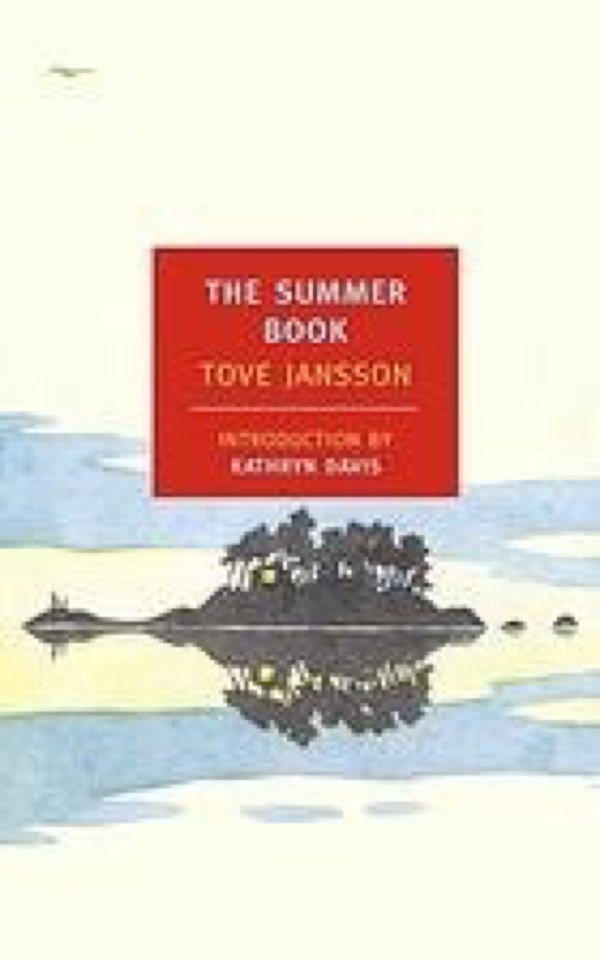
The creator of the Moomins (if you know, you know) wrote this cult classic, about a summer a six-year-old and her grandmother spent on a tiny island in the Gulf of Finland, in 1972. The plot, such as it is, is not the thing. They build things, bicker, argue about God and death. The days pass. Sitting beneath everything, unnamed, is the recent death of the girl's mother. Jansson blends idleness and grief and wonder and intimacy into gleaming but almost offhand sentences. The finest instruction manual ever written for wasting a summer well.
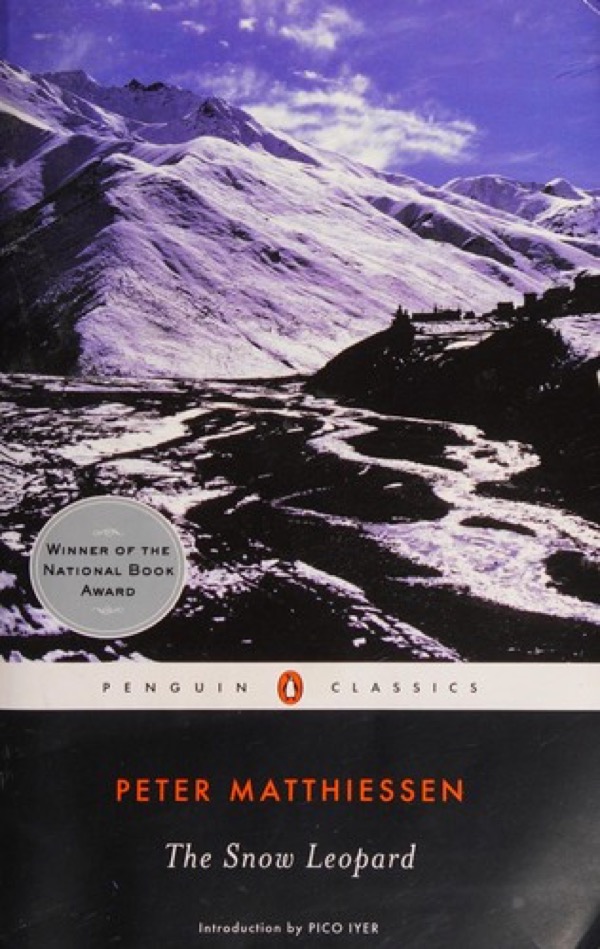
In 1973 Peter Matthiessen walked 250 miles into the Nepalese Himalaya with field biologist George Schaller, who hoped to photograph a snow leopard. Matthiessen’s wife had just died of cancer, and he was a student of Zen looking, as he put it, to “go empty into the mountains and see what happens.” They never saw the leopard. Here is an indelible rendering of a trek — field science and spiritual longing in the same paragraph. If you want to go on a journey on your journey, this is the one.
Weighs the same as Banana + Top Ramen + Mini Bic Lighter
Luxury Item
Changes the Way You See
Fiction (stories)
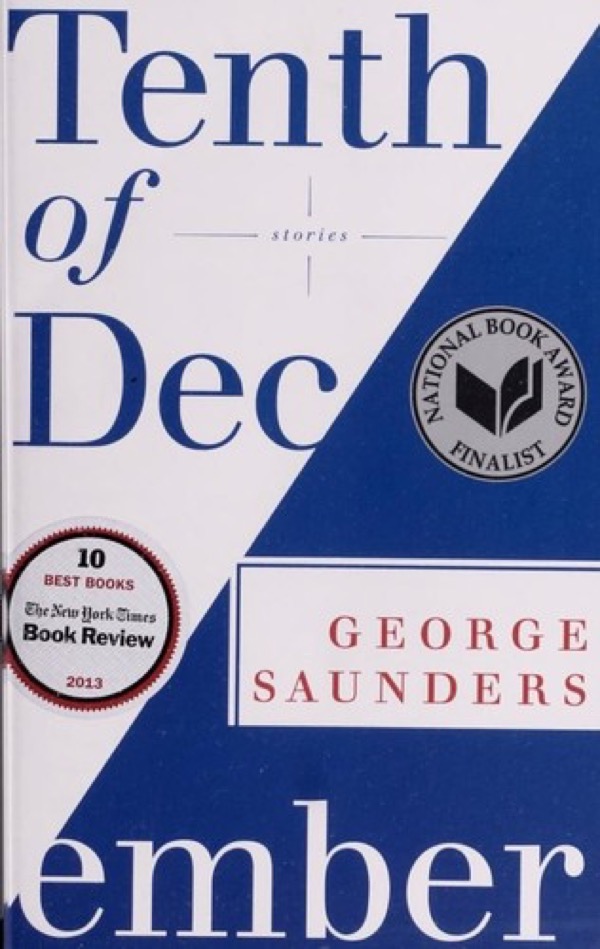
This Saunders collection from 2013 has strange and funny stories set a half-step into a future that seems so entirely plausible. When, without warning, they break your heart with plain human decency, you have to invent some new emotional state to take it all in at once. He writes about class, family, and survival with a manic humor and a tender heart that will absolutely floor you. It is a heavy book that leaves you feeling lighter and somehow kinder on the other side.
Weighs the same as Camp Sandals + Headlamp + Sunscreen
Luxury Item
Past Bedtime
Fiction
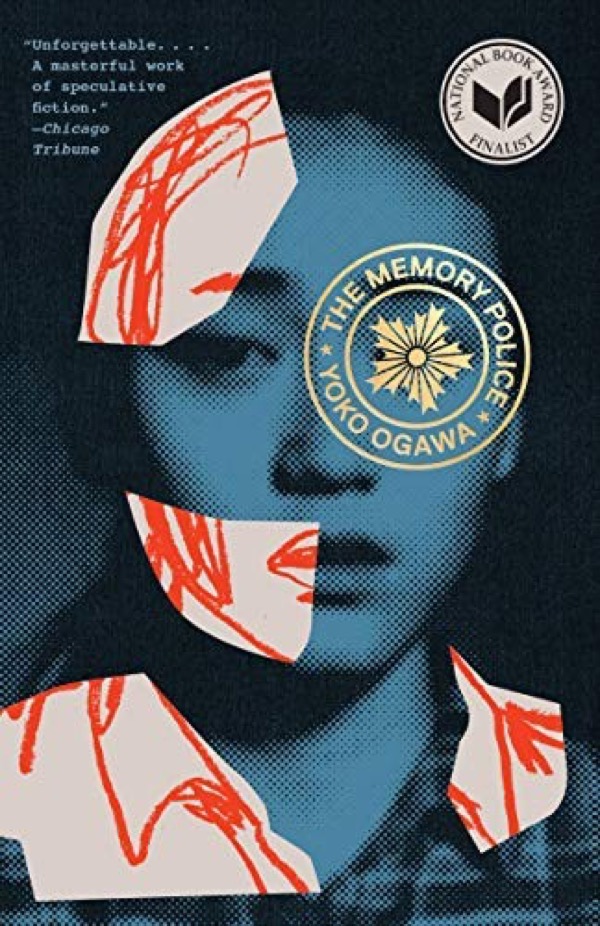
Yōko Ogawa published this in Japan in 1994, and it was translated into English to acclaim a quarter century later. There is an unnamed island where things (hats, birds, roses...) quietly disappear. And not only the things: also the memory of them, with the Memory Police there to enforce the forgetting. But a novelist is hiding someone who still remembers. After this book, you'll spend miles of trail taking inventory of everything you'd hate to forget.
Weighs the same as Camp Sandals + Top Ramen + Inflatable Pillow
Luxury Item
Quiet Companion
Fiction
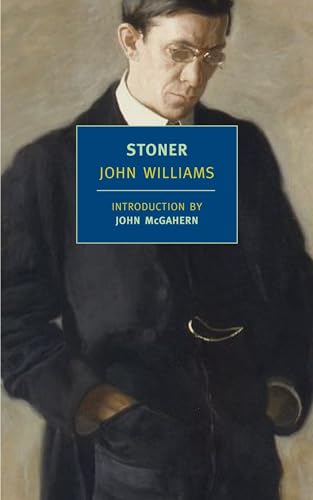
For fifty years, almost nobody read John Williams' Stoner. It sold a few thousand copies, fell out of print, and then—somehow—became a phenomenon. Tim Kreider called it the "Velvet Underground" of novels: hardly anyone bought the record when it came out, but everyone who did started a band. Writers fell hard for it and pressed it on everyone they knew. The life inside is almost nothing—a Missouri farm boy becomes a professor, marries badly, loves a little, disappoints quietly. And Williams makes that life feel like the most important thing in the world, because it is one. The plainness is the whole achievement. Read it, and find yourself grieving a man who never lived.
In 1940 Steinbeck heard a story from boatmen in La Paz: Kino, his wife Juana, their baby, and a pearl “as perfect as the moon” that turns every eye in town greedy. It is the way of parables to telegraph exactly where they are going, but in the hands of a master this does not diminish the joy of its unfolding one bit. If you only want a few magical minutes a day, this could be the book.
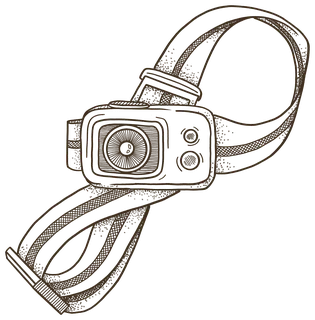
The Fire Next Time weighs the same as Headlamp, 90 grams.
Weighs the same as Headlamp
Ultralight·Changes the Way You See
James Baldwin published two essays as The Fire Next Time in 1963. The first, a letter to his nephew, says what we still need to hear. The second is a reckoning with race and faith in America that remains heartbreakingly relevant. Baldwin's prophetic power gets more out of its 90g than nuclear physicists could get out of a gram of uranium. A small book that asks a lot of you — and it will sit on your chest for the rest of the trail.
Bonsai weighs the same as Tuna Packet and Hand Sanitizer, 110 grams.
Weighs the same as Tuna Packet + Hand Sanitizer
Ultralight·Quiet Companion
Emilia is going to die, and Julio will be left alone. That's how this micro-epic of young love begins. Knowing how it ends makes the hundred pages on the part in between — two students meeting in Santiago who lie about having read Proust and fall in love both with each other and with literature — vibrant and affecting. It's funny and a little harsh and over before you're ready, just like everything else. A love story short enough to read twice on the same beach day — and sad enough that you will.
Eastbound weighs the same as Sawyer Squeeze and Sunscreen, 113 grams.
Weighs the same as Sawyer Squeeze + Sunscreen
Ultralight·Past Bedtime
On the Trans-Siberian railway, a terrified young conscript decides to desert, and the French woman who hides him in her berth speaks no Russian at all. One train, two strangers, thousands of kilometers of taiga sliding past the window—de Kerangal holds the tension of a thriller inside sentences that run as fast as the landscape flying by. Eastbound is a highly sensory sprint through snow and paranoia, capturing two lives locked together in escape. 113g, and it moves like the train.
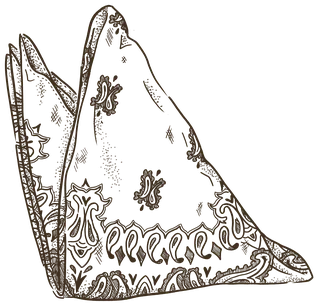
Heart of a Dog weighs the same as Top Ramen and Bandana, 113 grams.
Weighs the same as Top Ramen + Bandana
Ultralight·Carries You Away
Mikhail Bulgakov wrote Heart of a Dog in 1925, and the Soviets found it so dangerous it wasn't published in his own country until 1987, decades after his death. In 1920s Moscow, a brilliant, eccentric scientist implants a human pituitary gland into a stray dog, turning him into a vulgar, drunken, communist bureaucrat. It is a wild, hilarious, and deeply cynical farce about human nature and the hubris of trying to force evolution. 100 pages of pure, chaotic energy that reads like a sprint.
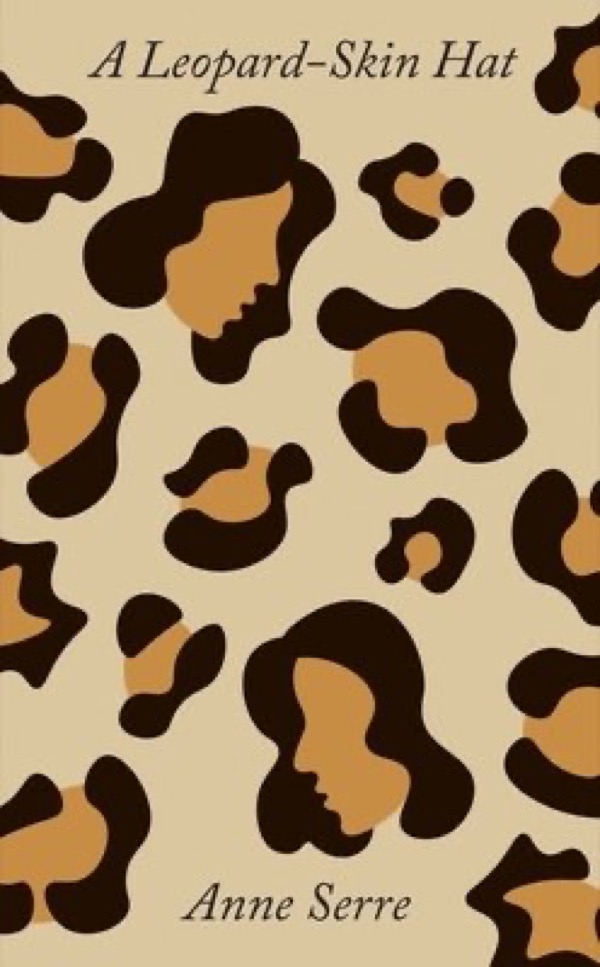
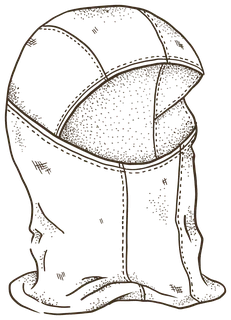
A Leopard-Skin Hat weighs the same as Balaclava and Bandana, 113 grams.
Weighs the same as Balaclava + Bandana
Ultralight·Quiet Companion
Anne Serre wrote this beautiful, short, oblique work after the death of her sister, and it reads the way a held breath feels. The narrator struggles to hold onto a brilliant, beloved lifelong friend as mental illness slowly unravels her. You piece together the fragments the way you would if recovering a whole life from memory. There is an astonishing precision to Serre's evocation of the unnerving guilt of loving someone you can't save. You'll find yourself reaching for this small book as for someone slipping away.
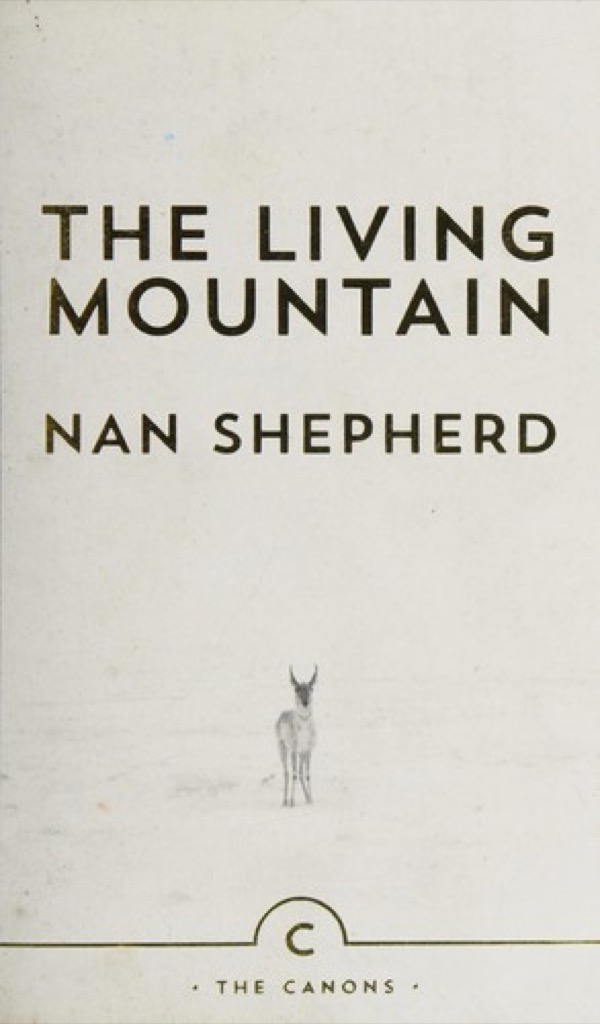
The Living Mountain weighs the same as Sawyer Squeeze and Bandana, 113 grams.
Weighs the same as Sawyer Squeeze + Bandana
Ultralight·Changes the Way You See
Nan Shepherd wrote this book during World War II, and it stayed in her drawer for more than 30 years. What surfaced was a singular exploration of the Cairngorms, where Shepherd had walked her whole life. This is not a book about summits, but about the elemental experience of being in the mountains. She talks about frost, sleeping, water — the way even a breathtaking place stops being scenery when you are in it long enough. Read a chapter, then look up — the world will have sharpened a little.
The Immense Journey weighs the same as Tuna Packet and Flour Tortilla, 128 grams.
Weighs the same as Tuna Packet + Flour Tortilla
Ultralight·Changes the Way You See
What if Carl Sagan had grown up in Nebraska, hunting Depression-era fossils in the badlands before becoming an anthropologist? He might have gathered his cosmic observations from dry creek beds and dusty bone shards, assembling them into The Immense Journey: essays that start with a seed or a bird and end somewhere past the edges of the known universe. Every modern nature writer owes a debt to Eiseley’s alloy of poetic prose, personal reflection, and scientific concepts re-engineered as meditations on humanity's place in time. Taking this book along is like inviting four billion years to keep you company.
The Crying of Lot 49 weighs the same as Tuna Packet and Inflatable Pillow, 132 grams.
Weighs the same as Tuna Packet + Inflatable Pillow
Lightweight·Past Bedtime
Thomas Pynchon published this slim, strange book in 1966 — the one people actually finish. Oedipa Maas is appointed executor of an ex-boyfriend's vast estate and stumbles into the typical Pynchonian labyrinth of what might be a centuries-old conspiracy of underground mail carriers, or a hoax, or a breakdown, or an elaborate joke on her. Pynchon never lets you land. Paranoid, very funny, linguistically precocious and carrying more ideas per page than books ten times its weight — a puzzle box that fits in a hip pocket and never quite lets you solve it.
Bonjour Tristesse weighs the same as Top Ramen and Flour Tortilla, 135 grams.
Weighs the same as Top Ramen + Flour Tortilla
Lightweight·Carries You Away
Françoise Sagan was just eighteen in 1954 when she wrote this razor-sharp (and nearly razor-thin) masterpiece of teenage cynicism and sun-drenched malice. It is a single hot summer on the French Riviera with seventeen-year-old Cécile, her hedonistic father, and the small cruel scheme she sets in motion to keep her life exactly how she likes it by ruining his plans to remarry a sensible, moral woman. A brilliant, cold-blooded, glittering cocktail of youth, boredom and tragedy. Pack it for when you need a scandalous little French bite with your trail lunch.
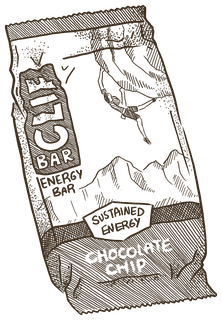
The Dry Heart weighs the same as two Clif Bars, 136 grams.
Weighs the same as 2× Clif Bar
Lightweight·Past Bedtime
Natalia Ginzburg published The Dry Heart in 1947, a lean, icy post-war novella about a young woman who misinterprets an older man’s detachment for devotion, only to find herself trapped in a marriage built on indifference. A shot between the eyes opens the book, but the real violence is the slow, quiet erosion that preceded it. It gets right under your skin—there's nothing to do but keep reading as though scratching a phantom itch. The directness of its unsparing prose shocks like the pitiless lamp of an operating room, desiccated and breathtakingly clear. It may be impossible to start The Dry Heart and not finish it in one sitting, so save it for a zero day on the trail.
Siddhartha weighs the same as Sawyer Squeeze and Flour Tortilla, 136 grams.
Weighs the same as Sawyer Squeeze + Flour Tortilla
Lightweight·Changes the Way You See
There is a reason this book has been riding in backpacks pretty much nonstop since Hermann Hesse published it in 1922, after a trip to India and a long immersion in Eastern thought. A young man leaves everything to learn directly from a river. It is nearly a fable, about wisdom that can only be gained by living. At the right moment, this book can reset the course of your life. It's the kind of book you don't keep — you pass it forward.
All Systems Red weighs the same as Headlamp, Hand Sanitizer and Mini Bic Lighter, 137 grams.
Weighs the same as Headlamp + Hand Sanitizer + Mini Bic Lighter
Lightweight·Past Bedtime
Murderbot has hacked the software that controls it, acquired free will, and decided to spend most of that freedom watching television. Unfortunately, it's supposed to be protecting a team of scientists exploring a dangerous planet, and things are going spectacularly wrong. Martha Wells gives us a heavily armed, socially anxious killing machine that would rather die than discuss its feelings—and makes it one of the most endearing narrators in science fiction. Fast, funny, surprisingly tender, and practically designed to be inhaled in a tent after dark.
The Lover weighs the same as Tuna Packet and Hiking Socks, 145 grams.
Weighs the same as Tuna Packet + Hiking Socks
Lightweight·Quiet Companion
On a ferry crossing the muddy Mekong, a fifteen-year-old French girl in a fedora meets a wealthy Chinese heir—igniting an illicit, feverish affair in 1930s French Indochina. Duras' autofictional masterwork is a sultry, fragmented autopsy of desire, class, and colonial ruin. Written in hypnotic, incantatory prose, it traces a scar of passion on flesh singed by money, race, and memory. The whole book is as thin as a passport: one trip through its pages will follow you for days.
The Lost Daughter weighs the same as Top Ramen and Tuna Packet, 159 grams.
Weighs the same as Top Ramen + Tuna Packet
Lightweight·Past Bedtime
Elena Ferrante published this short novel before the Neapolitan quartet made her a phenomenon. Leda, a 47-year-old professor alone on a southern Italian beach holiday, expects a tranquil summer after her adult daughters move away. Instead, she becomes fixated on a young mother—and then, on an impulse she can't explain, steals the woman's doll. From that small theft, Ferrante exposes the least sayable feelings of motherhood with surgical honesty. Not a beach read—a book about what the beach is covering up.
A Field Companion for Wandering weighs the same as Headlamp and Hiking Socks, 160 grams.
Weighs the same as Headlamp + Hiking Socks
Lightweight·Changes the Way You See
It was designed from its very inception to be tucked into a pack and read on the move. This is a beautifully constructed pocket manual of essays, poems, and fragments (featuring voices from Ursula K. Le Guin to Jim Harrison) dedicated to the art of getting lost. Here is a book that doesn't want to teach you how to survive, but how to wander—how to let the trail change you. This could end up as much a piece of trail gear as most anything in your pack.
The Word for World Is Forest weighs the same as Sawyer Squeeze and Tuna Packet, 162 grams.
Weighs the same as Sawyer Squeeze + Tuna Packet
Lightweight·Changes the Way You See
Ursula K. Le Guin wrote this short, furious, Hugo-winning novella with Vietnam on the television. Earth has come to the forest planet Athshe for lumber, bringing chains and logging camps. To survive extinction, the dream-focused green inhabitants being worked to death must learn the one art humans brought with them: violence. Le Guin exposes how imperialism ruins both the soil and the soul. Read this book under the canopy, then try looking at a stand of timber as just lumber.
Hunger weighs the same as two Top Ramens, 168 grams.
Weighs the same as 2× Top Ramen
Lightweight·Past Bedtime
It would be entirely plausible to say that modern fiction more or less begins with Hamsun's Hunger, published in 1890. At the very least, the modern psychological novel had its first exemplar here in the tale of a young writer on the brink of starvation in the streets of Oslo, narrating his own unraveling with terrible clarity and dark comedy. It's over a century old and reads like it was written this morning. Not a comfort read — bring it when you'd rather be rattled than soothed.
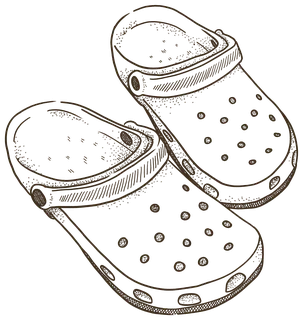
A Month in the Country weighs the same as Camp Sandals, 168 grams.
Weighs the same as Camp Sandals
Lightweight·Quiet Companion
A shell-shocked veteran spends a summer uncovering a medieval mural hidden beneath layers of whitewash in a village church, and bit by ordinary bit, Carr does the same thing to you. Nothing grand happens. It's understated, dryly funny, and exquisitely observed. Then, in the final pages, Carr quietly takes the floor out from under you. Everyone has one stretch of life they go quiet remembering. This is that rare, perfect book you won't even feel in your pack.
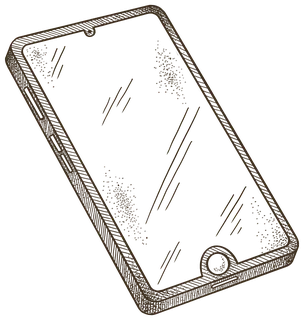
Breakfast at Tiffany's weighs the same as Phone, 170 grams.
Weighs the same as Phone
Lightweight·Carries You Away
Forget the movie. Truman Capote's Holly Golightly on the page is more desperate, sad, and wild than the one Hollywood softened — a country girl remade into a Manhattan somebody, running from something she won't name. As told by a neighbor in a brownstone who fell under her spell, this is a masterclass in American prose: sparkling, bittersweet, and incredibly light on its feet. To read the literary Holly is to remember that we are all just travelers trying to find a place where we feel safe.
A Mountain to the North, a Lake to the South, Paths to the West, a River to the East weighs the same as Sawyer Squeeze and Balaclava, 171 grams.
Weighs the same as Sawyer Squeeze + Balaclava
Lightweight·Quiet Companion
Booker winner László Krasznahorkai usually writes sentences that run for pages — but goes almost still here. A grandson of Prince Genji wanders a hidden monastery on the edge of Kyoto, searching for a single, perfect garden. The book simply follows his attention: a doorway, a rotting floorboard, the exact weight of the light. A deeply meditative, demanding, and strange journey that fits into your pocket but feels as vast as a mountain range. Read it on a zero day, a page at a time, and let it reset your pace.
A Short Stay in Hell weighs the same as Sawyer Squeeze and Top Ramen, 172 grams.
Weighs the same as Sawyer Squeeze + Top Ramen
Lightweight·Past Bedtime
Peck's novella has been terrifying readers since he published it in 2009. A decent, ordinary man dies and finds himself in hell, and it turns out that hell is a library containing every book that could ever possibly be written, and he can leave only when he finds the one book that tells the true story of his life. The math of the library is terrifying, and Peck maps out the scale of eternity with a cold, devastating logic that will haunt you for weeks. A tiny novella that packs a massive existential punch.
Jesus' Son weighs the same as Camp Sandals and Lip Balm, 173 grams.
Weighs the same as Camp Sandals + Lip Balm
Lightweight·Carries You Away
Denis Johnson published Jesus' Son in 1992: eleven linked stories narrated by a wrecked young man drifting through the Midwest on drugs and bad luck, told in prose as spare as a ghost town. There's a whiff of the Beats here as Johnson writes about the absolute addicts, thieves, lost souls—but does so with a raw, hallucinatory poetry that feels close to holy. It is brutal, beautiful, and utterly unforgettable. Not a trail book exactly — but it's about wandering, ruin, and small mercy, which the trail has plenty of. It weighs almost nothing and lands like a truck.
Annihilation weighs the same as Headlamp and Top Ramen, 174 grams.
Weighs the same as Headlamp + Top Ramen
Lightweight·Past Bedtime
A biologist joins the twelfth expedition into a quarantined stretch of coast, called Area X, which has swallowed the first eleven. Their mission is to map it, but almost at once it starts affecting them in hard-to-describe ways. VanderMeer never fully explains what Area X is, and that unknowability is what intensifies the dread. This reads fast and gets under your skin and into your bones. Part thriller, part nature writing from a nightmare. Read it in a tent at the edge of real wilderness, if you dare.
Dandelion Wine weighs the same as Banana, 181 grams.
Weighs the same as Banana
Lightweight·Carries You Away
Oh to be a 12-year-old realizing that he is alive, and what that means. Ray Bradbury captured it in a small town in Illinois, in the summer of 1928. The trivial summer things that became formative (new sneakers, the last trolley of the season, the porch swing) burn like effervescent sparklers. Bradbury writes joy and dread into the same breath, and it goes down like its titular beverage: a bit sweet, but with something dark at the bottom of the glass. A whole boyhood summer, bottled — drink it slowly.
Piranesi weighs the same as Battery Pack, 181 grams.
Weighs the same as Battery Pack
Lightweight·Carries You Away
Susanna Clarke published Piranesi in 2020, sixteen years and a long illness after her giant first novel, and nobody expected this. Piranesi lives in the House: an endless labyrinth of marble halls, crashing tides, drifting clouds, and thousands of statues. He spends his days mapping its rooms, keeping meticulous journals, and tending the bones of the dead until another story begins to emerge. Clarke lets wonder accumulate almost unnoticed until it becomes overwhelming. It feels less like reading a book than moving into one.
Franny and Zooey weighs the same as Phone and Lexan Spoon, 186 grams.
Weighs the same as Phone + Lexan Spoon
Lightweight·Quiet Companion
Franny Glass collapses mid-date clutching a little green book on unceasing prayer, and her brother Zooey—acting as a tough-love philosopher from the bathtub—talks her back to her feet. It is mostly people talking in rooms, moving from the suffocating anxiety of modern self-consciousness to a stunning realization about grace. A tent on a slow, rainy morning was made for this book, all the way to one of the great last-page turns in American writing.
We Have Always Lived in the Castle weighs the same as Banana and Compass, 190 grams.
Weighs the same as Banana + Compass
Lightweight·Past Bedtime
Merricat Blackwood, eighteen, lives with her sister and ailing uncle—the rest of the family died six years ago, arsenic in the sugar bowl—despised by the local villagers. Merricat protects their ritualistic life using buried marbles, magical charms, and fierce devotion. But when an estranged cousin arrives with eyes on the family fortune, their sanctuary shatters. Jackson makes you love the strangest household in American fiction. Save this upside-down haunted house story for nights alone in the tent; there's no way to lock the doors, and it wouldn't help anyway.
On the Calculation of Volume (Book I) weighs the same as Banana and Lexan Spoon, 193 grams.
Weighs the same as Banana + Lexan Spoon
Lightweight·Changes the Way You See
On November 18th, antiquarian bookseller Tara Selter wakes up to a day that will not end. Every midnight, the world resets; everyone forgets—except Tara. Returning to her home in northern France, she attempts to live alongside her husband, who greets her every morning as if for the first time. The first installment of a celebrated seven-volume cycle, Solvej Balle’s novella is no comedy of repetition, but a patient, haunting study of attention. A time-loop that slows you down.
Pedro Páramo weighs the same as Banana and Mini Bic Lighter, 194 grams.
Weighs the same as Banana + Mini Bic Lighter
Lightweight·Carries You Away
Juan Rulfo wrote exactly one novel, in 1955, which is like saying the Sex Pistols only had one album, in 1977. The continent-wide impact of Pedro Páramo is the stuff of legend — García Márquez could recite whole pages. A man navigates a town to find the father he never knew, Pedro Páramo, but only finds a town populated entirely by whispers and the dead. It's short, it's strange, it is confusing to piece together. Ninety-odd pages that rearranged a continent's literature — don't fight the confusion; float in it.
Arboreality weighs the same as Battery Pack and Toothbrush, 195 grams.
Weighs the same as Battery Pack + Toothbrush
Lightweight·Carries You Away
When Rebecca Campbell published Arboreality in 2022 with a small press, it won the inaugural Ursula K. Le Guin Prize. Campbell tracks a single house in the Pacific Northwest over a century as the climate shifts and humanity quietly adapts—planting trees and building string instruments from the last old-growth spruce. It is apocalyptic, yes, but profoundly gentle, carrying grief and stubborn hope in equal measure. This is a quiet masterpiece, best read under a canopy of trees that might outlast us all.
The Friend weighs the same as Camp Sandals and Sunscreen, 200 grams.
Weighs the same as Camp Sandals + Sunscreen
Lightweight·Quiet Companion
Sigrid Nunez won the 2018 National Book Award for a dog story. Well, not just any dog story: a writer unexpectedly loses her lifelong friend and mentor to suicide, and inherits his grieving, traumatized, 150-pound Great Dane. It is a fiercely smart, deeply funny, and moving essay-novel about grief, writing, aging, and the strange, quiet contract of love between humans and animals. This is a slow-burn comfort read for lonely stretches, with an intimacy that makes you feel like Nunez is walking right there beside you.
The Summer Book weighs the same as Phone and Flour Tortilla, 226 grams.
Weighs the same as Phone + Flour Tortilla
Luxury Item·Quiet Companion
The creator of the Moomins (if you know, you know) wrote this cult classic, about a summer a six-year-old and her grandmother spent on a tiny island in the Gulf of Finland, in 1972. The plot, such as it is, is not the thing. They build things, bicker, argue about God and death. The days pass. Sitting beneath everything, unnamed, is the recent death of the girl's mother. Jansson blends idleness and grief and wonder and intimacy into gleaming but almost offhand sentences. The finest instruction manual ever written for wasting a summer well.
The Snow Leopard weighs the same as Battery Pack and Balaclava, 263 grams.
Weighs the same as Battery Pack + Balaclava
Luxury Item·Legends Only·Changes the Way You See
In 1973 Peter Matthiessen walked 250 miles into the Nepalese Himalaya with field biologist George Schaller, who hoped to photograph a snow leopard. Matthiessen’s wife had just died of cancer, and he was a student of Zen looking, as he put it, to “go empty into the mountains and see what happens.” They never saw the leopard. Here is an indelible rendering of a trek — field science and spiritual longing in the same paragraph. If you want to go on a journey on your journey, this is the one.
Tenth of December weighs the same as Banana, Top Ramen and Mini Bic Lighter, 278 grams.
Weighs the same as Banana + Top Ramen + Mini Bic Lighter
Luxury Item·Changes the Way You See
This Saunders collection from 2013 has strange and funny stories set a half-step into a future that seems so entirely plausible. When, without warning, they break your heart with plain human decency, you have to invent some new emotional state to take it all in at once. He writes about class, family, and survival with a manic humor and a tender heart that will absolutely floor you. It is a heavy book that leaves you feeling lighter and somehow kinder on the other side.
The Memory Police weighs the same as Camp Sandals, Headlamp and Sunscreen, 293 grams.
Weighs the same as Camp Sandals + Headlamp + Sunscreen
Luxury Item·Past Bedtime
Yōko Ogawa published this in Japan in 1994, and it was translated into English to acclaim a quarter century later. There is an unnamed island where things (hats, birds, roses...) quietly disappear. And not only the things: also the memory of them, with the Memory Police there to enforce the forgetting. But a novelist is hiding someone who still remembers. After this book, you'll spend miles of trail taking inventory of everything you'd hate to forget.
Stoner weighs the same as Camp Sandals, Top Ramen and Inflatable Pillow, 313 grams.
Weighs the same as Camp Sandals + Top Ramen + Inflatable Pillow
Luxury Item·Quiet Companion
For fifty years, almost nobody read John Williams' Stoner. It sold a few thousand copies, fell out of print, and then—somehow—became a phenomenon. Tim Kreider called it the "Velvet Underground" of novels: hardly anyone bought the record when it came out, but everyone who did started a band. Writers fell hard for it and pressed it on everyone they knew. The life inside is almost nothing—a Missouri farm boy becomes a professor, marries badly, loves a little, disappoints quietly. And Williams makes that life feel like the most important thing in the world, because it is one. The plainness is the whole achievement. Read it, and find yourself grieving a man who never lived.