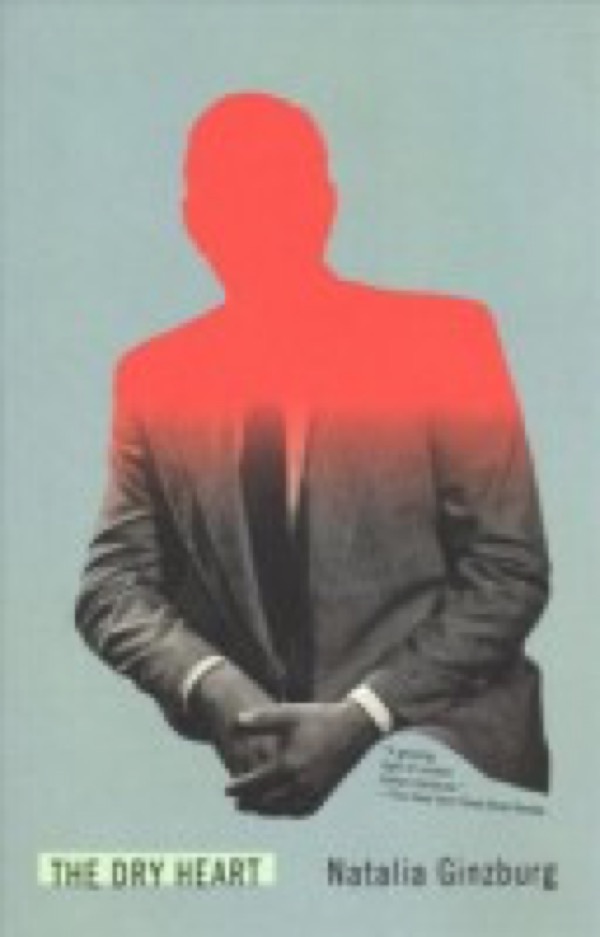
The murder happens on page one, yet real violence takes an entire marriage.
The Dry Heart
After shooting her husband, a woman calmly retraces the marriage that brought her to his death.
136g
Weighs the same as 2× Clif Bar
- Lightweight
- Past Bedtime
- Fiction
Natalia Ginzburg published The Dry Heart in 1947, a lean, icy post-war novella about a young woman who misinterprets an older man’s detachment for devotion, only to find herself trapped in a marriage built on indifference. A shot between the eyes opens the book, but the real violence is the slow, quiet erosion that preceded it. It gets right under your skin—there's nothing to do but keep reading as though scratching a phantom itch. The directness of its unsparing prose shocks like the pitiless lamp of an operating room, desiccated and breathtakingly clear. It may be impossible to start The Dry Heart and not finish it in one sitting, so save it for a zero day on the trail.
Field notes
Ginzburg's husband, the anti-fascist intellectual Leone Ginzburg, died under Nazi torture in 1944. Three years later, she published this novel of private violence in which the war is conspicuously absent. Reviewing it at twenty-four, Italo Calvino recognized that her first-person narrator was doing something unusual: neither keeping a diary nor inviting confession, but exposing herself through an almost impersonal account. Ginzburg would later write about her husband's death with similarly devastating brevity. Her restraint is not emotional detachment; it is a refusal to explain away suffering. The terrible things happen, ordinary life continues, and the spaces between sentences carry what cannot be said.